


Mountain Blood- Purified Shilajit Resin
Mountain Blood- Purified Shilajit Resin
Couldn't load pickup availability
Contains High Quality Pure Shilajit Resin Sourced From The Highest Peaks In The World.


Most People Have Never Heard of It
It's called shilajit (pronounced shi-la-jeet). And honestly, the origin story alone is worth the read.
It oozes out of mountains. No, really.
Shilajit is a sticky, tar-like resin that seeps out of cracks in high altitude rock, mostly in the Himalayas, but also the Altai and Caucasus ranges. It forms over centuries as plant matter gets trapped in the rock, slowly compressed by geological pressure and broken down by microbes. When the weather warms up, it literally weeps out of the stone.
People have been scraping it off rock faces and using it for over 3,000 years. The old Sanskrit texts gave it a name that translates to roughly "conqueror of mountains and destroyer of weakness." In Ayurvedic tradition it's been treated as one of the great rejuvenating substances, the kind of thing you take not for one symptom, but for overall vitality.
So what's actually in it?
Shilajit isn't one compound. It's a whole matrix:
- Fulvic acid, a powerful antioxidant and delivery system that helps your body absorb and use the minerals alongside it, instead of passing them through.
- Over 84 trace minerals in ionic form — iron, zinc, magnesium, potassium, selenium, calcium and more — in a form the body can readily take up.
- Other bioactive compounds like dibenzo-α-pyrones and humic acid that researchers are still studying.
It's a complex, mineral-dense substance that the mountains spent centuries assembling.
What people use it for
- Energy and stamina
- Supporting healthy testosterone levels in men
- Bone and mineral support
- Antioxidant and anti-inflammatory effects
- Even help with altitude sickness (fitting, given where it comes from)
How To Consume
- Dissolve a pea-sized amount of resin (500mg) in your beverage of choice
- Best to take in the morning for a sustained energy boost during the day
- Enjoy 1-2 times per day
A straight take on the evidence
A lot of these benefits still need stronger human research. Much of the evidence is rooted in centuries of traditional use plus small or early stage studies. Promising? Yes. Proven beyond doubt for every claim out there? Not yet.
If you go looking for it, quality is everything
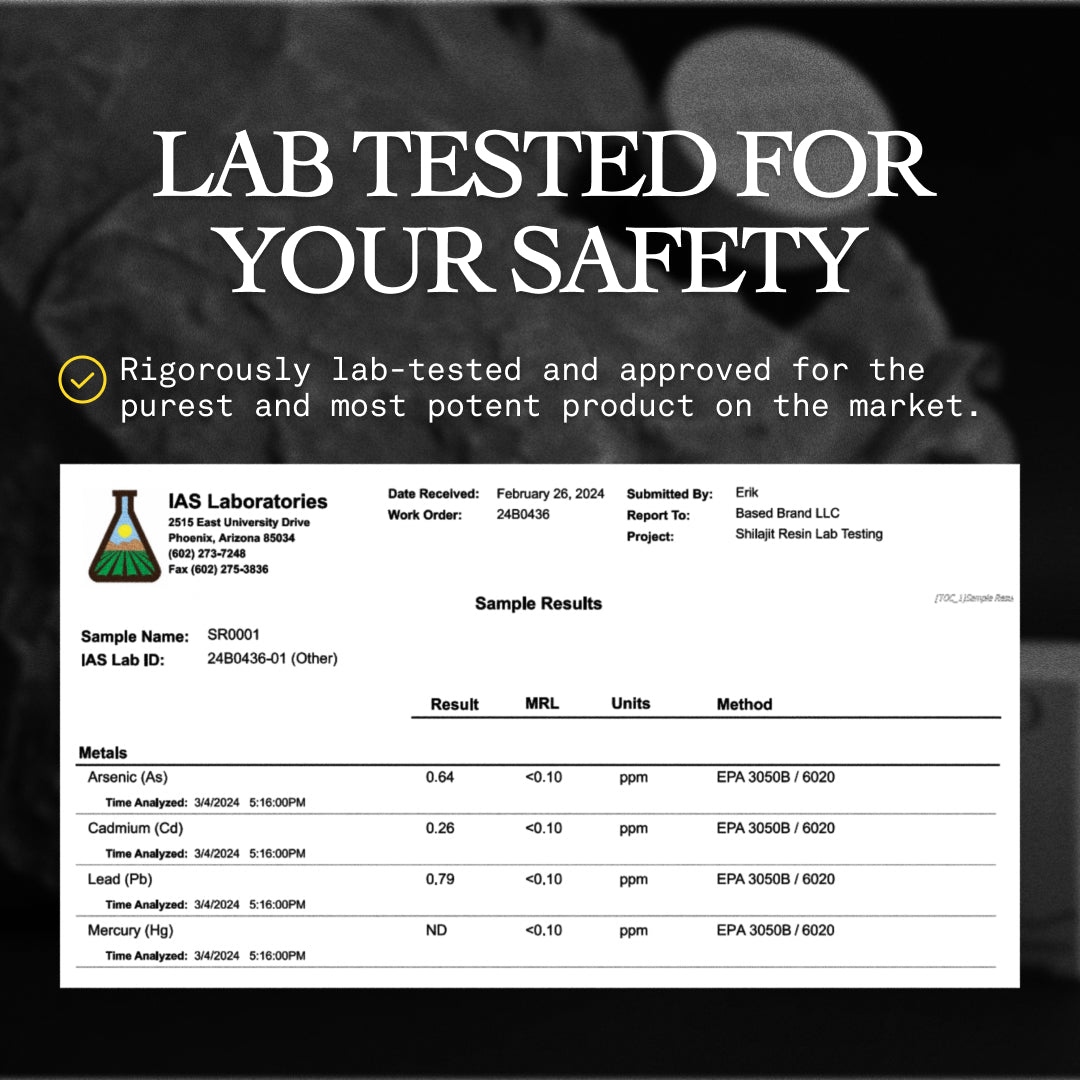
Raw shilajit can contain heavy metals straight from the rock, so it has to be properly purified. The good stuff comes from high-altitude sources and is third-party tested for purity. And as always, if you're on medication or have a health condition, check with your doctor before trying anything new.
This one was too fascinating not to share. A substance that bleeds out of Himalayan rock — I like to call it Mountain Blood.